Holiday Flyer
A seasonal holiday flyer with festive visual language, bold layout, and clear hierarchy — designed for both print distribution and digital sharing.
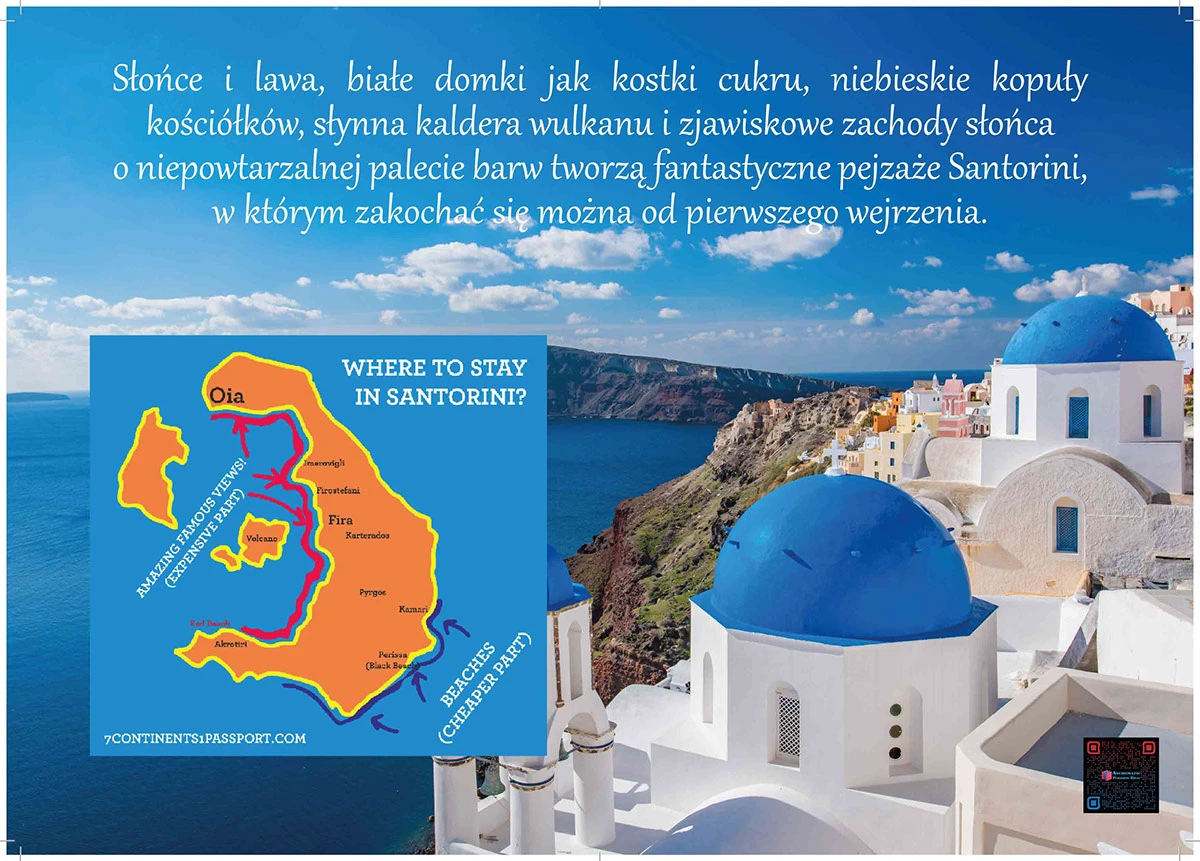
Festive design with purpose
Holiday Flyer is a seasonal graphic design project created to explore the challenge of communicating warmth, festivity, and urgency in a single visual format. Flyers occupy a unique space in design — they must work at a glance, convey essential information clearly, and carry emotional impact regardless of whether they are seen on a wall or a screen.
The design embraces a bold, high-contrast approach: festive color palette, strong typographic hierarchy, and deliberate visual weight distribution. The goal was a piece that feels genuinely festive without falling into visual clichés — seasonal without being generic.
The final piece
Seasonal without stereotypes
Holiday design is one of the most saturated visual spaces — every brand, every designer, every season produces a wave of similar-looking festive graphics. The real challenge here was not technical, but conceptual: how to create a holiday flyer that communicates the warmth and energy of the season while standing apart visually. The answer was discipline — strict color palette, restrained decoration, and typography doing the heavy lifting instead of ornament.
Every choice was intentional
Color palette
The palette centers on warm, high-saturation tones that evoke festivity without relying on overused red-and-green combinations. Contrast is high enough to ensure readability at smaller print sizes and on compressed digital formats.
Typography as hero
Typography carries the primary visual weight. Font choices prioritize personality and seasonal energy — with clear hierarchy between headline, supporting text, and call-to-action — ensuring scanability at a distance as well as close reading.
Print-first layout
The layout is built with print constraints as the baseline: bleed areas, safe margins, and CMYK color considerations. Digital adaptability was then layered on top, ensuring the design reads equally well on screen without sacrificing print-optimized composition.